SEO

SEO & AEO — Two Sides of the Same Coin

Search Engine Optimization (SEO) and Answer Engine Optimization (AEO) are both critical digital strategies for increasing online visibility and driving traffic. While they share common principles, they are distinct in their approach, objectives, and execution.

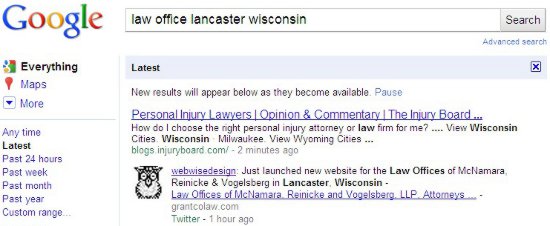
SEO is the first side of the coin. WebWise Design & Marketing started optimizing web pages to perform well in search results with our first client websites in October of 1995. According to sources (Gemini for one), the phrase "search engine optimization," or SEO likely came into use around 1997.

Search Engine Optimization then and now starts with well written “Title” attributes. Initially, WebWise Design & Marketing grew because of our SEO practices, knowledge, and our never-ending quest to learn how to have our client’s website pages rank well in SERPS (search engine results pages). We still offer and deliver that for our clients.

What is SEO:

SEO (Search Engine Optimization) is the process of optimizing a website’s visibility in search engine results pages (SERPs) in a manner that motivates the search to click the link and view a web page relevant to the search intent. SEO techniques include:

  • On-Page SEO: Optimizing individual pages with relevant keywords, high-quality content, meta titles and descriptions, and strategic internal linking.
  • Technical SEO: Enhancing website speed, mobile friendliness, using structured data, and security.
  • Off-Page SEO: Leveraging social media, blog posts with shareable content, utilizing domain authority practices, and building backlinks from reputable sites.

AEO (Answer Engine Optimization) is the other side of the same coin. WebWise Design & Marketing understands the importance of using AEO. We are working with our current clients incorporating additional AEO tactics and enhancing the structures that are Inherent to all websites we develop. Of course, we are encouraging our new clients to embrace AEO as well.

What is AEO:

AEO (Answer Engine Optimization) is a newer concept that focuses on optimizing content for answer engines like Google's featured snippets, voice search assistants (such as Siri and Alexa), and new AI-driven search tools. The intent of AEO is to provide direct, concise, and authoritative answers to users' questions. AEO techniques include:

  • Optimizing for Featured Snippets: Structuring content in a way that makes it easy for search engines to pull direct answers.
  • Using Structured Data Markup: Implementing Schema Markup to help search engines understand the context of content.
  • Focusing on Conversational Queries: Creating content that aligns with natural language search and voice search trends. FAQ pages are great for this.

The primary goal of AEO is to feature your website content in search results as a direct answer, often without requiring users to click through to a website. Example: If they are looking for your phone number, don’t make them click to your “Contact Us” page.

So, you have “Two Sides of the Same Coin,” but there are similarities and differences.

  • Both require high-quality, relevant content.
  • Both prioritize user experience.
  • Both need technical optimization.
  • Both strive to increase visibility and traffic.
  • Both evolve continuously with algorithm changes.

SEO and AEO — Two Sides of the Same Coin To ensure your website content is discoverable across all modern platforms and devices, it's essential to leverage both.

To discus how Answer Engine Optimization - AEO can improve your website's visibility and ranking in SERPS, Call us today!

608-822-3750 or 800-281-9993

Email us at contact@webwisedesign.com

SEO-Optimized YouTube Videos

Your branded YouTube video that has been uploaded to your business YouTube Channel can complement your other Search Engine Optimization (SEO) efforts and favorably impact your Google SERPS (Search Engine Results Page) rankings. YouTube is the second largest search engine, second only to Google Search. Embedded YouTube Channel videos gives you two opportunities to deliver your message using the two largest search engines in the world.

Video SEO starts with YOUR customized YouTube Channel.

Call: 800-281-9993 or 608-822-3750  Email: contact@webwisedesign.com


  • Brand your YouTube Channel with your logo and colors
  • Dress up once, look good everywhere, using Channel Art specifications
  • Link to your website
  • Include key search terms in your video title, description, hashtags
  • Embed your YouTube videos on your website
  • Make sure your website page is Search Engine Optimized
  • View results in “Analytics” in your YouTube Channel account

A high percentage of our clients who use videos on their websites, or on YouTube, have experienced excellent improvement in SERP (Search Engine Results Page) rankings. Next time you do a search on Google, take note of the companies with YouTube accounts linked to their websites and how they rank in the search results.

Using YouTube Shorts and other branded videos as part of your content and SEO marketing efforts will reap rewards in more and relevant traffic to your website.

To start using YouTube effectively, call us today! 608-822-3750 or 800-281-9993

Email us at contact@webwisedesign.com

Do you really need a mobile-friendly website?

Do you really need a mobile-friendly website? Google’s answer is, “…having a mobile-friendly website has become a critical part of having an online presence.

It has been over a year since Google’s April 21, 2015 announcement that they would give preference to mobile-friendly websites in mobile search results. In the FAQ’s of the Webmaster Tools Blog, Google says, “pages designed for only large screens may see a significant decrease in rankings in mobile search results.”

Mobile-friendly websitesEleven months later on March 16, 2016, Google announced that they are, Continuing to make the web more mobile friendly. They are even more serious about it now. To help you understand how Google defines “mobile” and related terms here is a link to their Mobile Terms Glossary.

Another indication of how seriously Google is emphasizing the importance of having a mobile-friendly website is the rolling out of a new mobile-friendly testing tool on May 17, 2016. If you don’t know if your website is mobile-friendly, run the Google Mobile-Friendly Testing Tool.

Google also says, “If you haven’t made your website mobile-friendly, you should.” (The bold font was done by Google.) We urge you to take their words seriously. Do you really need a mobile-friendly website? If you want your website found by prospects and customers when searching with their phone or another mobile device, the answer is yes.

If your website does not pass Google’s Mobile Friendly Test, Call Us Now!
608-822-3750 or 800-281-9993

Portions of this page are reproduced from work created and shared by Google and used according to terms described in the Creative Commons 3.0 Attribution License.

Keyword SEO is Not Enough – 8 Steps to Fixing

SEO, a part of search engine marketing imageThat statement is certainly not a great revelation. However, it is worth repeating. While it has never been a case of “build it and they will come” for websites, many think a Search Engine Optimized website will automatically do well for nearly any search using keywords related to what their website offers. It seems that many people think that “Keywords” = SEO. Obviously, that has always been an overly simplistic view, but keywords do play a big role in getting a given web page displayed in search results. That said, there is much more to SEO, and certainly more to generating traffic to your website.

How people use the Internet and Web has dramatically changed.

Much that happens on the Internet no longer includes viewing a web page. It happens on Facebook, Twitter, LinkedIn, Pinterest, Instagram, various chat platforms, regular email, newsletters, and other platforms. People are using phones and other mobile devices, not just desktop computers. When internet activity does involve viewing a web page, in many cases the visitor came from a link in content on one of the aforementioned platforms and devices.

How Google, Bing, Yahoo, and other search engines evaluate and rank available content on the web that can be displayed in Search Engine Results Page (SERPs) rankings has dramatically changed as well. Reportedly, Google has over 200 Ranking Factors. Only a portion of those have to do with on-page SEO.

On top of that, with Google’s “Universal Search” results displaying many elements in addition to traditional snippets and links to relevant websites. Search results may now include (not all at the same time) the following.

  • Site Links (6 pack)
  • Google Map + Pins
  • Local Carousel – Photos
  • List Carousel – Just that, grouped list of results
  • Knowledge Panel – Top Right, info related to query
  • Google AdWords – Top, Right Column, Bottom
  • Answer Box
  • Image Mega-Block
  • Video Results
  • News Results
  • Social Results
  • In-Depth Articles

Where eight to ten traditional listings were once displayed for a query, now there are often only three or four. The competition for results page real estate is very real.

It is this simple. Traditional on-page, keyword search engine optimization, is not enough by itself to achieve high rankings in search results. What you do online other than on your website, and what others say about your business and your web presence, impacts your website traffic.

Here are 8 steps to fixing your search results rankings.

  •  Have a quick-loading, attractive, relevant, and frequently updated website.
    • Google includes site speed in their 200 ranking “signals”
  • Well-written content that visitors find of value, and worthy of sharing
    • Compelling content that conveys your value proposition for your product or service
  • On-Page Search Engine Optimization done correctly, including headings and internal links
  • Add a blog, or “what’s new” page that has fresh and compelling content
  • Don’t forget any given keyword has to be on a web page to show up in search results
  • Create and use at least one or two Social Media accounts
  • Place Social Media share and follow buttons on your website
  • Send a monthly email newsletter (include links to your website) to clients and prospects

I know. It sounds like more work and time, and it is. That said, in today’s rapidly and constantly changing online world, Keyword SEO is Not Enough. 

Contact us today about a free website audit for your business or organization.

1-800-281-9993 or 608-822-3750 or contact@webwisedesign.com

Landing Page Key Elements Refresher — SEO Notes

Landing Page ExampleWe often talk about important key elements of a well written landing page when we are talking with clients and prospects. Every page on your website is a potential landing page, so it doesn’t hurt to mention these key elements even more frequently.

Of course, pages vary greatly due to the nature of their content. However, there are some basic tenets that should be nearly universal. Here are some key elements that should be included in nearly every page.

  • Headline
    • Short description of what is on the page
    • Contains same keywords as title of page
  • Sub-Headlines
    • Makes for easy scanning — People scan before reading
  • Content
    • Page-specific, well-written descriptive text
  • Images or video
    • Visuals attract attention — Videos engage website visitor
  • Bulleted and/or Numbered lists
    •  Makes for easy scanning — Did I see this somewhere before?
  • Calls to action
    • Call us today at 1-800-281-9993 or 608-822-3750 for help with your landing pages.

Every page on your website is a potential landing page.

Too many people still believe that nearly everyone sees the home page first when visiting a website. That is far from the reality. You need to treat every page as a landing page that conveys your message, or describes your product or services effectively.

Did I mention calls to action in the key elements of landing pages?

We could be “Putting The Web To Work For YOU!”  Call 1-800-281-9993 or 608-822-3750 today!